Source Braided Nylon Sports Flag Pole for Events, Beach, and Stadiums
Find 30 verified options for the braided nylon sports flag pole suitable for events, beach activities, and stadium displays. Buyers can compare specifications including material, height, and base types to select the right supplier for their needs.
Key considerations
Products List


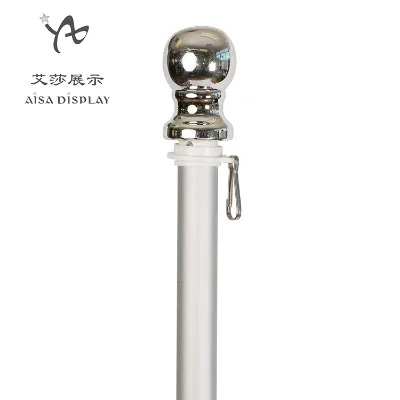
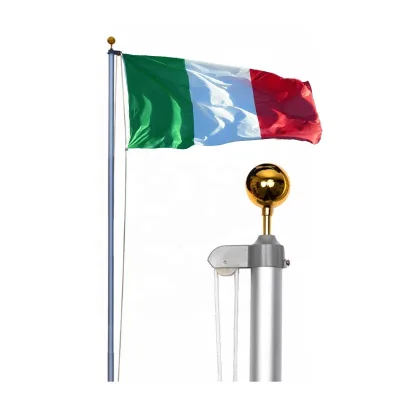


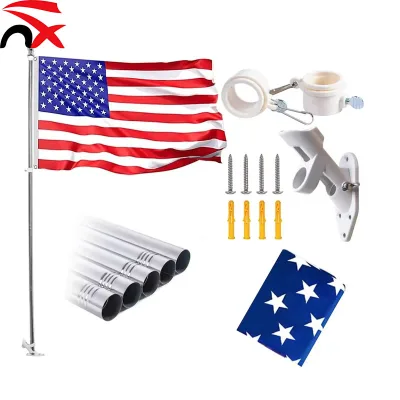
Comprehensive Sourcing Guide
Strategic Sourcing Guide for Braided Nylon Sports Flag Poles
The procurement of specialized sports equipment requires a nuanced understanding of material science, regulatory compliance, and supply chain reliability. When sourcing a braided nylon sports flag pole, buyers must navigate a market where product definitions often blur between general flagpoles and specific athletic equipment. The core keyword suggests a flexible, durable, and lightweight solution, typically associated with beach sports, promotional events, or training drills. However, the available market data reveals a complex landscape where materials range from aluminum and fiberglass to plastic, and raising mechanisms vary from manual drives to remote controls. This guide provides a disciplined framework for evaluating suppliers and specifications to ensure the procurement of equipment that meets rigorous performance standards without relying on unverified claims.
Technical Specifications and Material Composition
The foundation of a successful procurement strategy lies in verifying the technical specifications against the intended application. While the core keyword specifies "braided nylon," the observed product data indicates a significant divergence in material composition across the market. Some listings explicitly identify the pole material as aluminum, with diameters ranging from 20mm to 250mm and wall thicknesses between 3mm and 5mm. Other entries describe fiberglass poles, which are often preferred for their flexibility and resistance to corrosion in coastal environments. There are also references to plastic poles and even "hand flags" with specific dimensions like 3m, 4m, 5m, or 6m.
For a buyer seeking a braided nylon sports flag pole, it is critical to distinguish between the pole material and the flag material itself. The provided data confirms that flag and banner materials can be polyester, but it does not explicitly confirm "braided nylon" as a standard pole material. Therefore, the procurement process must begin with a direct inquiry to the supplier regarding the core structural material. If the pole is indeed fiberglass or aluminum, the buyer must verify the tensile strength and flexibility ratings. The data shows length specifications varying widely, from 3m to 20m, with some models offering custom cuts. Buyers should request detailed engineering drawings that specify the wall thickness and diameter tolerances, as these factors directly influence the pole's ability to withstand wind loads and physical impact during sports activities.
Furthermore, the finishing process is a key determinant of longevity. The observed market data lists "Clear Anodized" and "Powder Coating" as standard finishing options for aluminum products. For fiberglass or nylon-composite poles, the resin system and UV protection layers are paramount. Buyers must verify that the finishing process includes UV inhibitors to prevent degradation from sun exposure, a critical factor for outdoor sports equipment. The data also notes a "Sunscreen" characteristic for some products, which implies UV resistance, but this attribute should be explicitly confirmed for the specific pole model being sourced.
Compliance, Certification, and Safety Standards
In the B2B procurement of sports equipment, compliance is not merely a formality but a prerequisite for market access and liability protection. The supplied context highlights several standards that buyers should use as a baseline for verification. One entry mentions a pass for ISO9001, a quality management standard that indicates the supplier has a documented system for consistent production. Another listing references SGS, ISO, and EN71 certifications. EN71 is particularly relevant as it is the European standard for toy safety, which often encompasses recreational sports equipment.
When sourcing a braided nylon sports flag pole, buyers must ensure that the product complies with the safety regulations of the target market. If the equipment is intended for children's use or school sports, EN71 compliance is essential. For general commercial use, ISO9001 certification of the manufacturing facility provides assurance of quality control processes. However, buyers should not assume that a supplier's general certification covers the specific product line. The procurement team must request a valid test report from an accredited third-party laboratory that specifically addresses the mechanical strength, flammability, and chemical safety of the braided nylon or composite materials used.
Additionally, the data mentions "SGS" and "ISO" in the context of specific models. Buyers should verify the scope of these certifications to ensure they cover the specific dimensions and materials of the order. For instance, a certification for a 6m pole may not automatically apply to a 12m variant without re-testing. The absence of specific certification data for "braided nylon" in the provided text necessitates a proactive verification step. Procurement teams should include a clause in the purchase agreement that requires the supplier to provide current, valid certification documents prior to shipment, ensuring that the product meets all local and international safety requirements.
Cost Drivers and Pricing Dynamics
Understanding the cost structure of sports flag poles is vital for budgeting and negotiation. The observed price range in the market spans from $0.10 to $3,000 USD, a variance that reflects differences in material quality, customization levels, and order volume. The Minimum Order Quantity (MOQ) also varies significantly, ranging from 1 to 10,000 units. This wide range suggests that buyers can source small batches for testing or large volumes for distribution, but the unit cost will fluctuate accordingly.
Several factors drive the cost of a braided nylon sports flag pole. First, the material cost is primary; aluminum and fiberglass generally command higher prices than plastic, while specialized braided nylon composites may be premium-priced due to manufacturing complexity. Second, customization is a major cost driver. The data indicates that customization is available, including custom lengths and diameters. Custom molds for fiberglass or specific weaving patterns for nylon poles will increase the unit price and potentially the lead time. Third, the finishing process adds cost; powder coating or clear anodizing requires additional processing steps compared to raw material finishes.
Buyers should be wary of prices that seem anomalously low, as they may indicate substandard materials or a lack of necessary certifications. Conversely, high prices should be justified by superior specifications, such as enhanced UV resistance, higher tensile strength, or specialized bases. The MOQ is another critical cost factor; ordering above a certain threshold often reduces the per-unit cost. However, buyers must balance inventory costs with cash flow. The data shows that some suppliers offer pallet packing, while others use bundles or cases. Packaging choices can impact shipping costs, especially for long poles that require specialized freight arrangements.
Typical Applications and Usage Scenarios
The versatility of sports flag poles allows for a wide range of applications, from competitive beach sports to corporate branding. The provided data highlights specific use cases, such as "for Flying Beach Flag" and "Flag Pole Fiberglass Pole for Beach Flags." This suggests that flexibility and wind resistance are key requirements for these applications. Beach environments demand materials that resist saltwater corrosion and UV degradation, making fiberglass or treated aluminum the preferred choices.
Beyond beach sports, the data mentions "Hand Flag" and "Telescopic" types, indicating utility in training drills, marching bands, or ceremonial events. The "Sunscreen" characteristic noted in the data implies that these poles are designed for prolonged outdoor exposure, making them suitable for stadiums, parks, and public squares. The "Triangle" shape mentioned in the specifications suggests a specific design for aerodynamic performance or aesthetic appeal in promotional displays.
Buyers should align their product selection with the specific environmental conditions of the intended use. For high-wind areas, a telescopic or flexible fiberglass pole may be superior to a rigid aluminum one. For indoor or low-wind applications, a lighter plastic or aluminum pole might suffice. The data also notes a "Manual Drive" and "Remote Control" raising mode, which are relevant for larger poles used in stadiums or corporate events where ease of operation is crucial. Understanding these application nuances helps in selecting the right combination of material, diameter, and raising mechanism.
Supplier Evaluation and Quality Assurance
Selecting the right supplier is as important as selecting the right product. The data indicates that suppliers are located in various regions of China, including Wuxi, Xiamen, Ningbo, and Shanghai. This geographic diversity suggests a robust manufacturing base, but it also requires careful vetting. Buyers should prioritize suppliers who demonstrate transparency in their production processes and quality control measures.
Quality assurance should be a continuous process, not a one-time check. The presence of ISO9001 certification is a positive indicator, but buyers should also request samples for physical testing. Key tests include tensile strength verification, UV exposure simulation, and salt spray testing for corrosion resistance. The data mentions "SGS" and "ISO" certifications, which are third-party validations, but buyers should ensure these tests cover the specific product being ordered.
Supplier evaluation should also consider the customization capabilities. The data confirms that customization is available, including custom lengths and diameters. A capable supplier will have the engineering expertise to modify existing designs without compromising structural integrity. Additionally, the packing method—whether pallet, bundle, or case—should be evaluated for its ability to protect the product during transit. Long poles are susceptible to bending or breaking if not packed correctly, so the supplier's packaging standards are a critical quality metric.
Long-Term Procurement and Maintenance Considerations
Sourcing sports equipment is a long-term investment that requires consideration of maintenance and lifecycle costs. The data notes that some poles can be "Insert Directly" or use "Anchor Bolts," which affects the installation and maintenance requirements. For permanent installations, anchor bolts provide greater stability, while direct insertion is suitable for temporary setups. Buyers should evaluate the durability of the base and the ease of replacement in case of damage.
Maintenance is another critical factor. Fiberglass and aluminum poles generally require less maintenance than steel, but they still need regular inspection for cracks, corrosion, or wear. The "Clear Anodized" or "Powder Coated" finishes help protect the material, but buyers should inquire about the expected lifespan of these coatings under typical usage conditions. The data mentions "Customer Length Cut," which implies that poles can be modified in the field, but this should be done with care to avoid compromising the structural integrity.
Long-term procurement strategies should also include a review of the supplier's after-sales support. This includes the availability of replacement parts, such as bases, flags, or raising mechanisms. The data shows that some products come with specific models like "NT-AL" or "NF21M03003," which suggests a standardized product line. Buyers should ensure that the supplier maintains a stock of these parts to minimize downtime. Finally, buyers should consider the environmental impact of the materials and packaging, as sustainability is increasingly becoming a factor in B2B procurement decisions.
Conclusion
The procurement of braided nylon sports flag poles requires a meticulous approach that balances technical specifications, compliance, cost, and supplier reliability. The market data reveals a diverse range of materials, from aluminum and fiberglass to plastic, each with its own set of advantages and limitations. Buyers must verify the core material, finishing processes, and certification status to ensure the product meets the specific demands of their application. By focusing on quality assurance, customization capabilities, and long-term maintenance, buyers can secure a supply chain that delivers high-performance equipment while minimizing risk. The wide price and MOQ ranges offer flexibility, but careful evaluation is essential to avoid substandard products. Ultimately, a disciplined sourcing strategy ensures that the selected flag poles perform reliably in their intended environments, providing value and safety for years to come.
FAQs
What materials are used for sports flag poles?
Flag poles are commonly made from aluminum, fiberglass, or plastic. The specific material depends on the model, with aluminum offering durability and fiberglass providing flexibility for beach use.
Can I customize the length of the flag pole?
Yes, customization is available for flag poles including custom lengths. Buyers can request specific dimensions such as 6m, 10m, or 12m, or other sizes within the 3m to 20m range.
Which certifications do the flag poles meet?
Products may pass ISO9001, SGS, ISO, and EN71 standards. These certifications verify quality management and safety, particularly important for recreational and sports equipment used in various environments.
How are the flag poles raised manually or remotely?
Flag poles feature manual drive or remote control raising modes. The choice depends on the pole size and application, with larger poles often utilizing remote controls for easier operation.
What finishing options are available for aluminum poles?
Aluminum poles typically use clear anodized or powder coating finishes. These processes protect the material from corrosion and UV exposure, ensuring longevity for outdoor sports and promotional events.
What are the standard diameter and thickness specifications?
Standard diameters range from 20mm to 250mm with thicknesses between 3mm and 5mm. Specific models may offer diameters like 20mm, 25mm, 28mm, or 30mm for different usage requirements.
Can I order a small quantity of flag poles?
Yes, minimum order quantities can range from 1 to 10,000 units. Buyers can source small batches for testing or large volumes for distribution depending on the supplier's specific policy.